
Reviewed · SIGULDA TRIPS FROM RIGA
Sigulda Day Tour – Castle Ruins, Gūtmaņala Grotto, & More
Sigulda packs a lot into one day. This route links Sigulda castle, the Gūtmaņala grotto, and the Turaida Museum Reserve, with enough context to make the sites feel connected, not random stops. You also get the cherry on top: a ride on the Sigulda aerial cableway for big views in between history.
What I like most is the tight flow. You start with the castle story, then shift to the cave for that rare feeling of stepping into 10,000 years of geology, and you end in Turaida where the reserve covers a huge chunk of Latvia’s past across 42 hectares.
One consideration: expect steps. You can choose to climb to the top of the Turaida medieval castle tower, and that means 100 steps, so comfortable shoes and decent stamina matter. This tour is also not recommended for people with limited mobility.
In This Review
- Key things worth noting before you go
- A one-day route that ties Sigulda’s history together
- Cableway ride in Sigulda, with the kind of views history can’t give you
- Sigulda castle ruins and the gothic window that still works like a time machine
- Gūtmaņala grotto: the long timeline you can actually see
- Turaida Museum Reserve: where the story stretches across centuries
- What the guides do well, and why that shows in the details
- Price and value for an 8-hour Sigulda day
- When this tour makes sense for you
- Should you book it? My quick decision guide
- FAQ
- What’s the duration of the Sigulda day tour?
- Where does the tour run?
- What sites are included in the tour?
- Do I need to pay entrance fees?
- Is lunch included?
- Do I get picked up from my hotel in Riga?
- Can I ride the aerial cableway during the tour?
- Is the Turaida castle tower climb required?
- What language is the guide speaking?
- Is the tour suitable for people with mobility issues?
Key things worth noting before you go
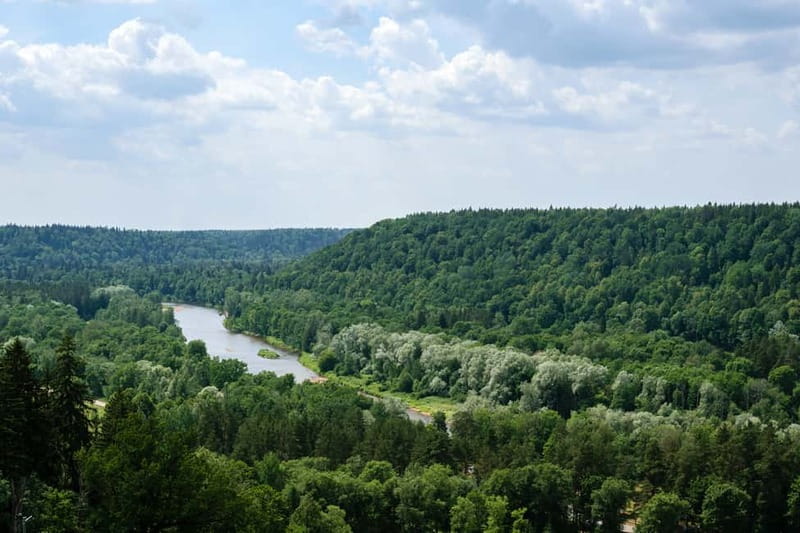
- Aerial cableway first-class views: The cableway opened in 1969 and is the only one of its kind in the Baltic States, with cooperation between Sigulda and Chiatura in Georgia.
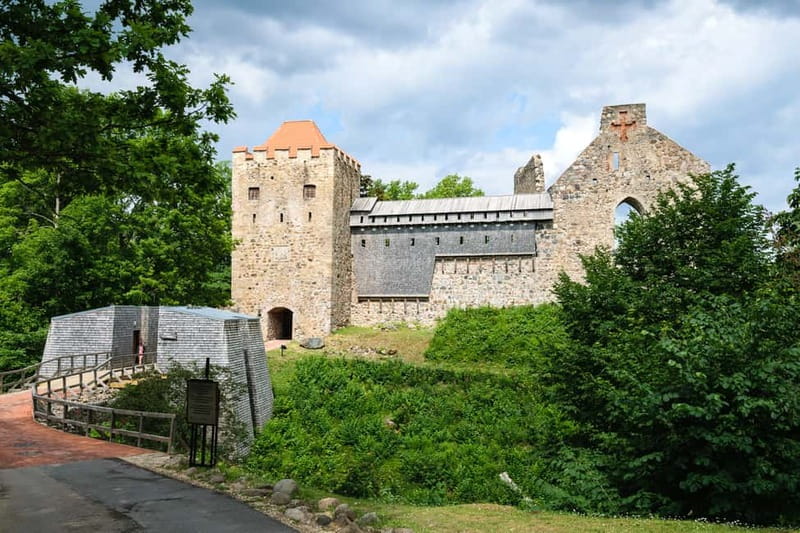
- Sigulda castle ruins with real staying power: The Order of the Brothers of the Sword began building in 1207, and even after the Great Northern War, the convent building with the gothic window and the main gate tower still stand.
- Gūtmaņala grotto is not a quick photo stop: It is formed over about 10,000 years by water eroding sandstone, with a protected geological-site status and ancient inscriptions along the walls.
- Turaida Reserve is built for wandering: It covers archaeological, architectural, historical, and art monuments dating back to the 11th century across 42 hectares.
- Guides can make or break a long day: Robert, Rihards, and Ilze have been praised for turning facts into stories, including humor and patient answers.
- Hotel pickup helps you stay in “tour mode”: Transportation and pickup and drop-off are included, so you spend less time figuring out logistics.
More Sigulda and Gauja valley days:

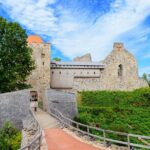
A one-day route that ties Sigulda’s history together
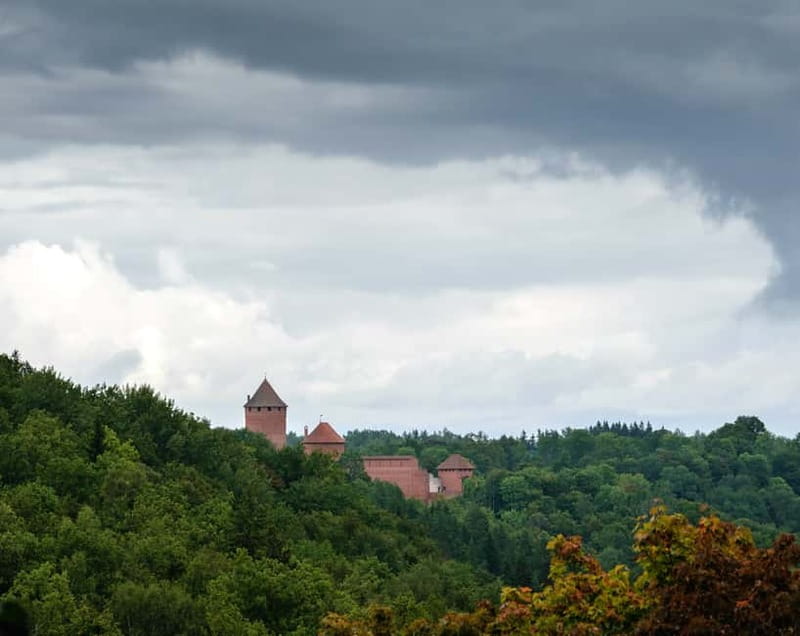
Sigulda is often described as one of Latvia’s prettiest places, but the real win here is how the day is organized. You do not just bounce from sight to sight. The stops line up around the same region and same themes, castle power, natural formations, and long-term settlement at Turaida.
I like that the tour builds momentum. You start with the castle ruins, which immediately puts you in a medieval mindset, then you shift from stone buildings to stone time when you reach the Gūtmaņala grotto. By the time you get to Turaida, you already understand what makes the area important, so the reserve feels like a continuation instead of a fresh start.
The day runs about 8 hours, which is long enough to feel satisfying, but not so long that you’re cooked before the last stop. If your goal is a high-value first look at Sigulda, this is a strong structure.
Cableway ride in Sigulda, with the kind of views history can’t give you
Most walking-heavy sightseeing days need a reset. The aerial cableway does that. You’ll ride it during the tour, and it is a big deal locally because it opened in 1969 and is the only one of its kind in the Baltic States.
What matters for you is not trivia for trivia’s sake. A cableway gives you a real spatial sense of where you are. As you glide, you can connect the dots between the town, the river and slopes, and the areas where the castles sit. That helps later when you’re looking at ruins or walking through a reserve and trying to understand the layout.
The cableway also has a neat international link. It was built in cooperation between Sigulda and Chiatura, Georgia. That kind of detail makes a simple ride feel more meaningful, especially if you enjoy travel culture beyond just postcard scenery.
Wear shoes you can stand in. Even if the ride itself is easy, you’ll still be moving around for boarding and getting photos, and weather in this part of Latvia can change quickly.
Sigulda castle ruins and the gothic window that still works like a time machine
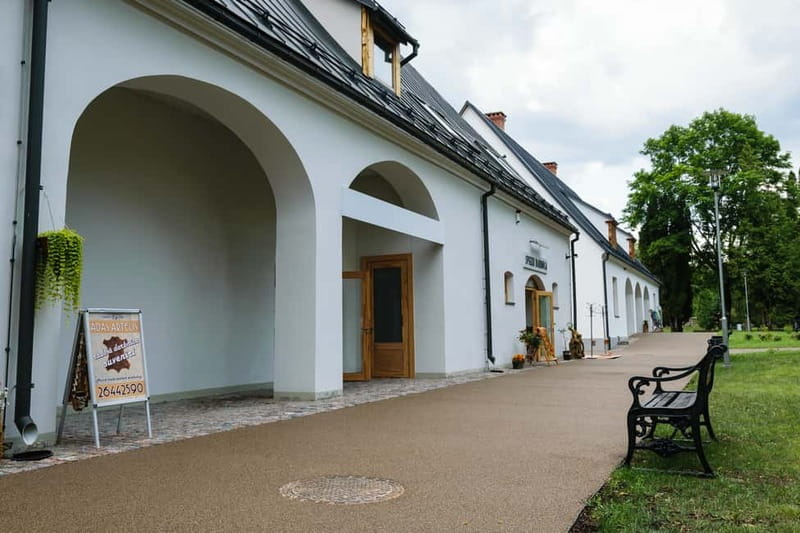
Sigulda castle is the anchor of the day. This is not a fully restored fantasy castle. It’s more interesting than that, because you’re looking at the evidence of conflict and survival.
The Order of the Brothers of the Sword began building the castle in 1207. Later, during the Great Northern War, the castle was destroyed and was never restored. Yet the site is far from empty. You can still see the convent building with its famous gothic window and the main gate tower.
That is what you should aim to notice. Even in ruins, the architecture tells you what kind of power and worldview the builders brought. The gothic window in particular is the sort of element that makes you stop and think, because it is both delicate-looking and stubbornly present.
If you like history explained in a human way, this is also where the guide’s role becomes obvious. In past groups on this route, guides such as Robert and Rihards have been praised for genuine passion and for telling stories in a way that makes legends feel grounded, not made up.
The practical downside is that ruins are still ruins. Paths may be uneven, and you’ll likely do a fair amount of walking and standing. Comfortable footwear is not optional here.
Gūtmaņala grotto: the long timeline you can actually see
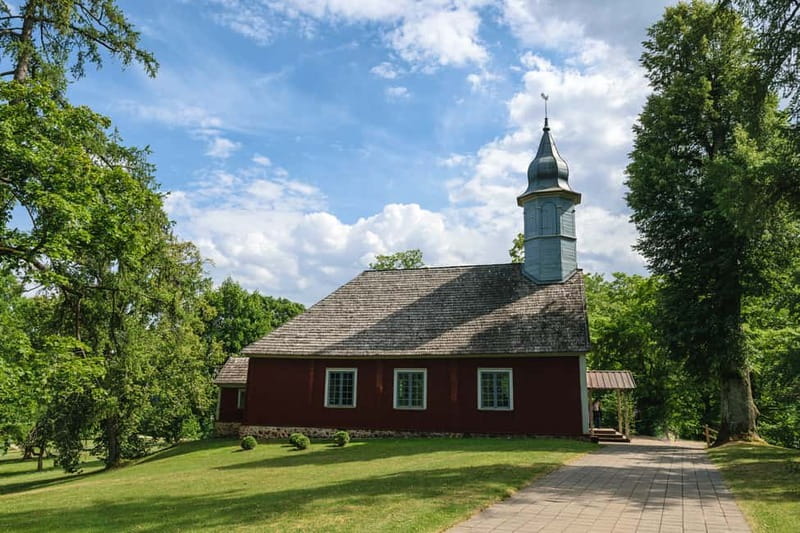
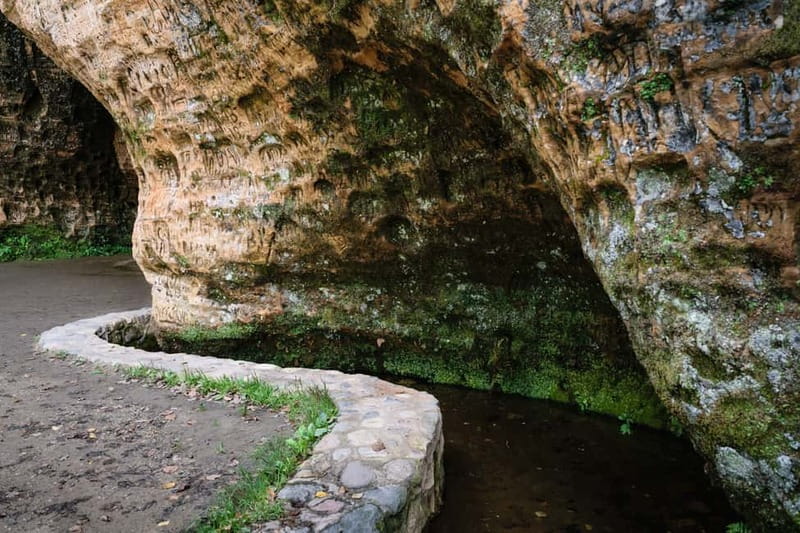
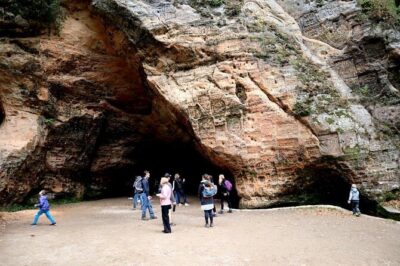
The biggest wow moment for many people is the Gūtmaņala grotto, and for good reason. This is the most popular and vast cave in Latvia, and it is protected as a geological site.
Here’s the fact that makes the visit feel different. The cave was formed over about 10,000 years as water gradually eroded sandstone. That means you are not looking at something “old” in a vague way. You’re looking at a process that took ten millennia, leaving marks you can still read.
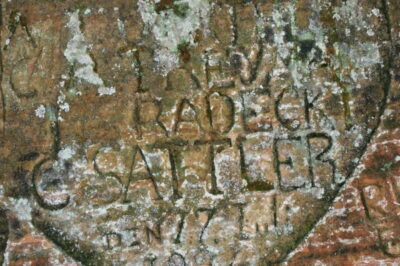
Then there’s the human layer. Ancient inscriptions line the walls, which add a time-crossing element. You’re moving through a place that was shaped by water, and then marked by people long after the cave took shape.
Why you should care: caves can be either a quick stop or a meaningful experience depending on pacing. This tour builds in time to go beyond a rushed photo grab. You get to see the grotto as a space, not just a feature.
Also, be ready for damp conditions. Even if the day is not raining, caves tend to keep things cool and slightly wet. Bring a light layer and keep your daypack closed. If it rains outside, one guide on this route even provided a poncho to help guests stay comfortable while moving between stops.
Different day, same base in Riga:
- Riga Old Town walking tour★ 4.5 · 304 reviews
- Latvian food tasting tour at Riga Central market★ 4.5 · 241 reviews
- 2 countries! Hill of Crosses, Rundale Palace and Bauska castle★ 5.0 · 225 reviews
- Discover Riga Bike Tour★ 5.0 · 166 reviews
- From Riga: Husky Sledding or Wheel Kart Tour★ 4.9 · 155 reviews
Turaida Museum Reserve: where the story stretches across centuries
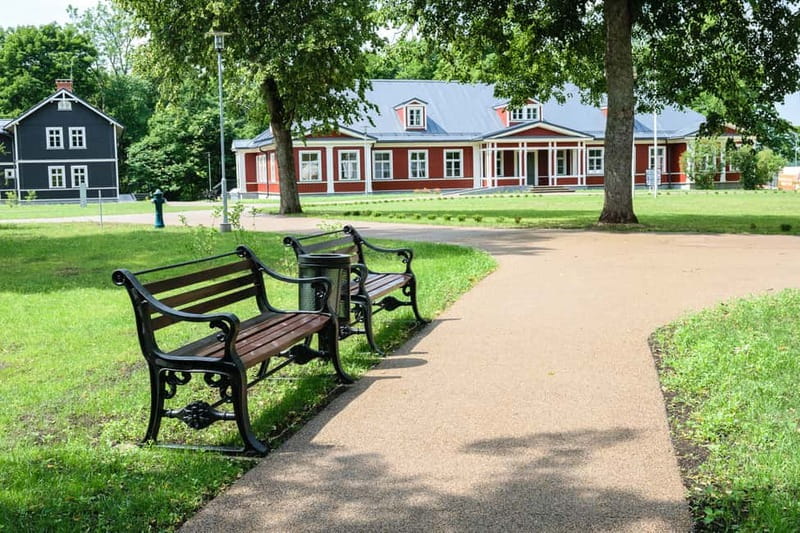
After the grotto, Turaida is the “slow down and absorb” portion of the day. The Turaida Museum Reserve covers 42 hectares and includes archaeological, architectural, historical, and art monuments. The timeline goes back to the 11th century, so this is not just one building. It is a whole setting that makes Latvia’s past feel continuous.
One practical note: this reserve is easier to enjoy when you have room to wander. The tour format keeps you on track, but you still get opportunities to look around at different points rather than being herded straight through.
The medieval castle tower visit is optional. If you choose it, plan for 100 steps to reach the top. This is worth considering if you want views and you enjoy climbing. If you’d rather skip the ascent, you can still enjoy the reserve without committing to the climb.
In past groups, guides have been praised for patience and for answering questions well, and that matters a lot at Turaida. When you’re surrounded by monuments, you’ll get more out of the visit if someone helps you connect what you’re seeing to the bigger story.
What the guides do well, and why that shows in the details
This tour lives or dies by guiding, because the day includes ruins, a cave, and a large reserve. The most praised aspect in feedback has been the guide personality and communication.
Names that have come up strongly include Robert, Rihards, and Ilze. Guests highlighted things like a sense of humor, fluent English, and a talent for explaining historical facts and local folklore in an easy, engaging way. There’s also a practical side to good guiding. One Robert highlight was going out of the way to return a jacket left in the car at the end of the day.
That tells you something useful. This is the kind of operator that treats small problems seriously, not just big-ticket sightseeing.
If you care about storytelling, this is the right tour. If you only want a checklist of sites, it might feel slightly more structured than you expected. But for most people, the guide adds the missing link that turns walking into understanding.
Price and value for an 8-hour Sigulda day
The price is $235 per person for an 8-hour day tour with hotel pickup and drop-off, transportation, a guide, and entrance fees included. Lunch is not included.
On the value side, you’re paying for three things:
- You’re not handling transit from Riga on your own.
- You get official access via entrance fees.
- You get guided context, which matters most for the castle ruins and the grotto inscriptions.
Could you do this independently? Sure. But you’d spend time coordinating transport, figuring out ticketing, and trying to piece together history from signage alone. With a guide, you get a smoother day and less decision fatigue.
The one extra cost you should plan for is lunch. If you treat lunch as a “planned stop” rather than an afterthought, you won’t feel the budget pinch near the end of a long day.
If you’re traveling with limited patience for logistics and you want the itinerary covered end-to-end, the pricing starts to look more fair.
When this tour makes sense for you
This tour fits best if you want:
- A first-time Sigulda experience with the top highlights in one day
- A guided explanation of castle history, cave geology, and Turaida’s long timeline
- Hotel pickup so you can start relaxed
You’ll likely get the most out of it if you enjoy walking a moderate amount and you can handle steps. The optional 100-step climb at the Turaida tower is a deal-breaker for some people, so decide based on your own comfort level.
It is not recommended for people with limited mobility, and that matters because the day includes sites with steps and uneven ground.
Should you book it? My quick decision guide
Book it if you want a guided day that makes Sigulda’s major highlights feel connected. The strong mix of castle ruins, Gūtmaņala grotto, and Turaida Museum Reserve gives you variety, and the best reviews consistently point to guiding quality, not just scenery.
Skip it or choose a different format if you know you do not want to deal with lots of walking and the possibility of climbing the Turaida tower steps. Also, if caves and geology are not your thing, you might find the day a bit more structured and story-driven than purely scenic.
FAQ
What’s the duration of the Sigulda day tour?
The tour lasts 8 hours.
Where does the tour run?
It’s in Sigulda Municipality, Latvia, covering sites in and around Sigulda and the Gauja national park area.
What sites are included in the tour?
The highlights include Sigulda castle ruins and the new castle, the Gūtmaņala grotto, and the Turaida Museum Reserve.
Do I need to pay entrance fees?
Yes, but entrance fees are included in the tour price.
Is lunch included?
No, lunch costs are not included.
Do I get picked up from my hotel in Riga?
Yes. Hotel pickup and drop-off are included, with pickup available from your accommodation in Riga.
Can I ride the aerial cableway during the tour?
Yes. The tour includes a ride on the Sigulda aerial cableway.
Is the Turaida castle tower climb required?
No. The visit to the top of the tower is optional. If you go, you will have to climb 100 steps.
What language is the guide speaking?
The live guide offers English, Latvian, and Lettish.
Is the tour suitable for people with mobility issues?
This tour is not recommended for people with limited mobility.
Newest entries out of Riga
- Riga Beer Bike
- Sunrise or sunset SUP/kayak Adventure in the bog from Riga
- Create your own Gin at Riga Gin Laboratory
- Small Group – Hill of Crosses, Jelgava and Jurmala / 2 Countries
- Discover Riga’s most Photogenic Spots with a Local
- Riga City Tour and Panoramic Ride on the Riga Eye
- Private Chocolate Masterclass in Old Town of Riga
- Day trip to Tallinn from Riga
Sigulda Trips from Riga, compared.
Private Sigulda, Turaida, and Gauja National Park Tour
Read our review →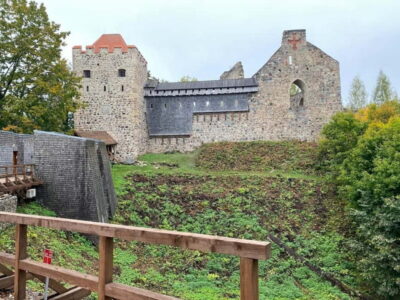
Private Full-Day Trip to Turaida, Sigulda, and Cesis
Read our review →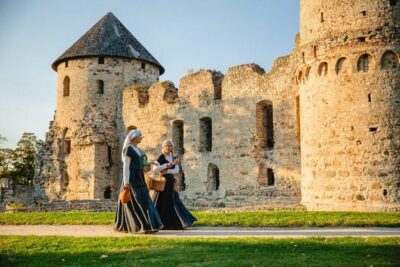
Full-Day Private Trip to Cesis, Sigulda and Turaida from Riga
Read our review →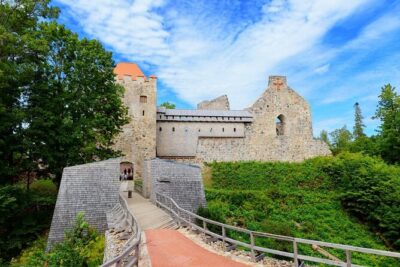
Hike In Gauja National Park – Up And Down The Switzerland Of Latvia
Read our review →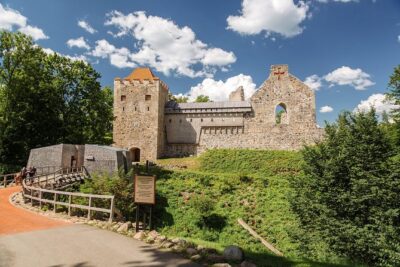
Half-Day Private Trip to Sigulda and Turaida from Riga
Read our review →
Discover Best of Sigulda and Gauja National Park In One Day
Read our review →More Riga days like this