
Reviewed · RIGA
Magical sounds of the Kokle – Learn how to play it
A kokle lesson is a quick path to wonder. This private, outdoor workshop at the Ethnographic Open-Air Museum of Latvia turns Riga into a small concert and then a hands-on class, starting with the instrument’s background and moving to you playing the kokle. I love the one-on-one attention, because the teacher can steer you fast without making it feel stressful.
What I also really like is the whole package: you get a short performance, a basics lesson, and then time to roam the museum area after. The main drawback is that the workshop is outdoors, so you will need to dress for the weather, and if conditions are poor the activity can be moved or refunded.
In This Review
- Key highlights you will feel right away
- Kokle magic at the Ethnographic Open-Air Museum
- Meeting at 11:00 am and getting your bearings fast
- The opening part: history, instrument types, and a mini concert
- Your turn at the kokle: step-by-step basics that actually feel doable
- Learning the songs: melodies first, then chords and rhythms
- If you do not read sheet music, you still have a path
- Outdoor timing: dress for Riga weather, not comfort fantasies
- After the workshop: museum time, lake pauses, and a picnic plan
- Price and value: what you are paying for at $226.37 per person
- Who should book this kokle workshop
- Who should think twice
- Practical tips before you go
- Should you book the Magical sounds of the Kokle lesson?
- FAQ
- How long is the kokle lesson experience?
- Is the workshop offered in English?
- Where do we meet for the activity?
- Do I need prior music experience or to read sheet music?
- How many songs will I learn to play?
- What is included besides the kokle lesson?
- What happens if the weather is bad?
Key highlights you will feel right away
- One-on-one kokle instruction with a patient, adaptable teacher approach
- Instrument history plus Latvian folk context, not just finger exercises
- Learn up to three simple folk songs, building step by step
- A private performance moment first, so you hear what you are working toward
- Complimentary museum admission so you can linger in the grounds after
- Outdoors timing and comfort, plan clothing for cool or rainy Riga weather
Others that keep coming up around Riga:

Kokle magic at the Ethnographic Open-Air Museum
There is something about learning music in a museum yard that makes it click. The Ethnographic Open-Air Museum of Latvia is the perfect setting for this experience because the place already feels rooted in everyday Latvian life, old materials, and the slower rhythm of the past. Instead of sitting in a stuffy room, you start at the museum entrance and the lesson happens in the open air.
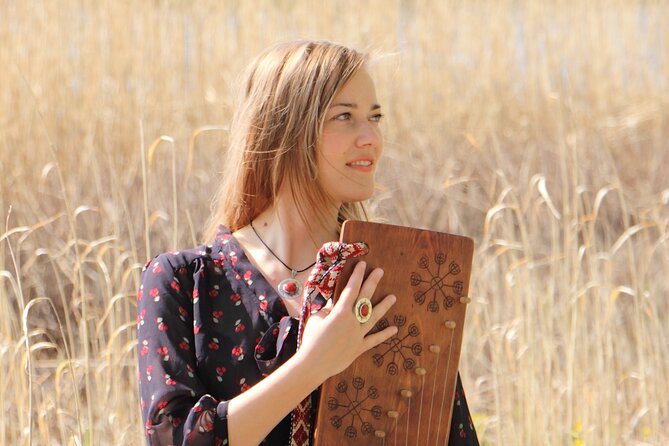
You also get an immediate sense of why the kokle matters. Before you touch the instrument, you hear it. The musician introduces short background on the kokle and points out that it is not one single thing in Latvian culture. You learn there are different types of the instrument, and that the kokle’s role shifts across folk traditions.
And then the experience flips. You do not just watch. You get guided basics on the kokle and then a chance to play up to three simple Latvian folk songs. It is hands-on cultural learning, with the museum acting like your classroom and your soundtrack.
Meeting at 11:00 am and getting your bearings fast
This experience starts at 11:00 am at the entrance of the Ethnographic Open-Air Museum of Latvia, Brīvdabas iela 21, Rīga. You end back at the same meeting point after the workshop, so you do not have to worry about a complicated route, transfers, or hunting for a disappearing bus.
Because it is private, it is only your group. That matters more than people expect. With a private setup, the teacher can slow down for questions or speed up if you pick things up quickly. It also means you are not pushed to the same pace as everyone else in a mixed group.
The workshop is also offered in English, which is a big plus if you want history and technique explained clearly. You get confirmation after booking, and you get a mobile ticket, which keeps things simple on your phone.
The opening part: history, instrument types, and a mini concert
Most music lessons start with a posture cue. This one starts with context, and that is why it feels more meaningful. The musician begins with a short background of the kokle, including how it shows up across Latvian folk music traditions and that there are different types of the instrument.
Then comes the part that really sells the experience: the teacher plays a few songs first. It is not a full concert, but it is enough to set the target sound in your head. If you are trying to learn music, hearing the finished musical idea before you play it yourself makes the whole lesson easier to follow.
I also like that the teacher frames what you are about to do as basics, not as a test. Even if you do not have a music background, you can still participate. If you can read sheet notes, it will help, but the workshop is built for people who cannot.
Your turn at the kokle: step-by-step basics that actually feel doable
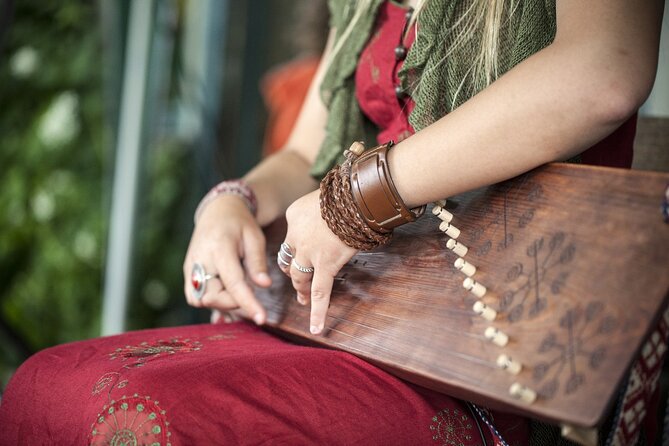
After the initial performance, you move into the core lesson. The teacher guides you through the basics of playing the kokle, with an emphasis on getting sound out quickly and accurately. The session is structured so you start simple and build up.
One of the strengths here is the pacing. A good music teacher notices when your brain is full and when your hands need time. This workshop is designed around that kind of attention. The lesson can be adjusted even if someone has a limitation, like an injured arm or needing to play with one hand. That kind of flexibility is rare in hands-on activities, and it is part of why people leave feeling capable.
You are not limited to one tiny exercise either. The class works toward learning up to three simple Latvian folk songs. The songs you learn can include seasonal material tied to the Janis summer solstice celebration, which gives the lesson a calendar feel, not just a random song list.
Different day, same base in Riga:
- From Riga: Husky Sledding or Wheel Kart Tour★ 4.9 · 155 reviews
- From Riga: Hill of Crosses & Jelgava Highlights★ 5.0 · 149 reviews
- Riga Gun Range: shooting with Winchester, Glock17, & Kalashnikov★ 5.0 · 148 reviews
- Riga: Hill of Crosses, Guided Rundale Palace & Bauska Castle★ 4.9 · 140 reviews
- Riga Old Town Walking Tour in a Small Group★ 4.5 · 132 reviews
Learning the songs: melodies first, then chords and rhythms
The goal is not to make you a performer overnight. The goal is to help you walk away with a few songs you can recognize and play with confidence. The teacher starts with simple melodies, then moves into more musical detail as you go.
From the way the lesson is taught, you can expect progression beyond a single note pattern. The teaching approach builds toward chords and then adds extra rhythms as you gain control. For many people, that is the moment when it stops feeling like a class and starts feeling like making music.
This is also where the earlier context pays off. If you understand the kokle’s place in Latvian folk music, you are less likely to treat the songs like math problems. You are playing part of a tradition, even if your hands are still figuring things out.
If you do not read sheet music, you still have a path
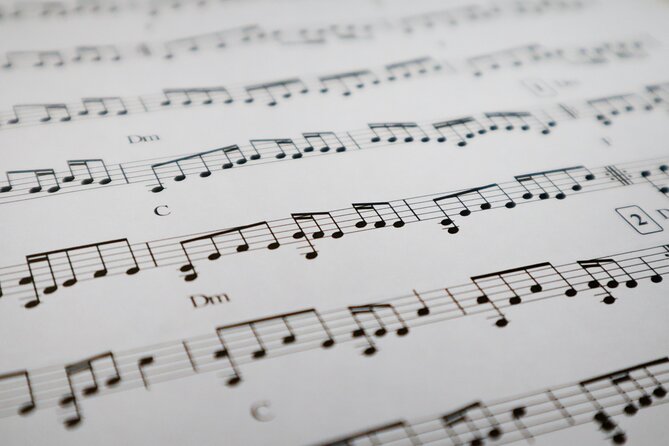
It is worth being honest: sheet notes can help. The workshop data notes that being able to read sheet notes is useful, but it is not required. That tells you the instructor will use whatever method needed to get you playing.
If you do read notes, you might find it clicks faster because you can connect what you see on the sheet to what you hear and feel in your hands. If you do not read notes, you can still succeed, but you will rely more on the teacher’s guidance and repetition.
Practical mindset tip: focus on short sections, not the whole song at once. Music learning is easier when you treat each line like a mini goal. The teacher’s step-by-step approach is built for that kind of focus.
Outdoor timing: dress for Riga weather, not comfort fantasies
This workshop happens outdoors. That one detail can make or break your experience. Riga weather can shift fast, so you want layers. Wear something you can move in, because even if you are seated or standing near a teacher, you will still be adjusting your posture while you play.
If you run warm, bring a light layer you can remove. If you run cold, bring the kind of warmth you can keep on without restricting your hands or sleeves.
Also, think about wind. Wind can make it harder to focus on small cues, and it can be annoying if you are trying to read or track where the teacher’s attention is. In your clothing choices, prioritize practicality over style.
After the workshop: museum time, lake pauses, and a picnic plan
Once the lesson ends, you get complimentary admission to the Ethnographic Open-Air Museum of Latvia, and you are free to explore on your own. This is a smart combo because the kokle workshop gives you cultural context, and then the museum lets you see the everyday world that shaped that culture.
You can keep it easy after the music lesson. Many people like a picnic next to the lake, or simply spending time in the pine forest area. Even if you only have an hour or so to wander, you can still soak in the setting and reset after the focused instruction.
A practical tip: give yourself a light plan. Pick one or two areas to look for, rather than trying to see everything. The museum is more enjoyable when you slow down.
Price and value: what you are paying for at $226.37 per person
At $226.37 per person for about 2 hours, this is not a budget activity. It is priced like what it is: a private, one-on-one instrument lesson with a performance component and museum access included.
Here is the value logic I see:
- Private instruction means more time with the teacher and more chances to correct mistakes.
- Language support matters because you want the history and instruction in English, not just a demonstration.
- Cultural depth matters. You learn kokle history and Latvian folk music context, not only how to place fingers.
- Included museum admission means you are not paying extra to extend your time in the grounds.
If you are traveling with a group and splitting costs, private pricing can start to feel more reasonable. If you are solo, it can feel steep, but it also becomes a rare chance to get both instruction and performance in a focused, short time window.
Who should book this kokle workshop
I think this experience is especially good if you want:
- A hands-on cultural activity that is not just watching
- A private class where your pace matters
- A musical activity that includes history, not only technique
- A gentle entry point even if you have no prior instrument experience
It can also be a great fit for people who like arts, but want something more authentic than a generic city show. And if you like outdoor time, the museum setting turns the lesson into part of a bigger Riga day.
Who should think twice
This is best when you are ready for outdoors. If you cannot handle being outside for the duration, or you are traveling in cold rain, it might not feel comfortable.
Also, if you expect a long, deep conservatory-style program, this is not that. You are learning basics and up to a few songs within a short, structured window. The payoff is the achieved musical moment, not a multi-week transformation.
Practical tips before you go
A few things will make the experience smoother:
- Dress in layers, because the workshop is outdoors
- Bring comfortable footwear for museum paths, even if your time there feels light
- If you can read sheet notes, consider bringing that skill into the session. If you cannot, no worries, just focus on the teacher’s guidance
- Arrive a bit early so you can settle at the museum entrance without stress
Also, do not overpack your expectations. Go in with the idea that you will learn a few songs and leave with something you can play, not with the idea that you will master everything.
Should you book the Magical sounds of the Kokle lesson?
If you want a Riga experience that is both meaningful and fun, I recommend booking this. The biggest reason is the combination: one-on-one kokle instruction plus a clear history lesson and a chance to play up to three Latvian folk songs. You also get museum admission included, so your time does not end when the class ends.
Book it if you like hands-on learning, folk music, and outdoor settings with a calm pace. Consider skipping if weather would ruin your day or if you want a longer, deeper training session.
If you are on the fence, think about this: you are paying for a teacher and a private learning moment, not just access to a site. In my view, that is where the best value hides for this kind of experience.
FAQ
How long is the kokle lesson experience?
The workshop lasts about 2 hours.
Is the workshop offered in English?
Yes, it is offered in English.
Where do we meet for the activity?
You meet at the entrance of the Ethnographic Open-Air Museum of Latvia, Brīvdabas iela 21, Rīga, LV-1024, Latvia.
Do I need prior music experience or to read sheet music?
No prior experience is required. Reading sheet notes can be helpful, but it is not required.
How many songs will I learn to play?
You will learn up to three simple Latvian folk songs.
What is included besides the kokle lesson?
You get complimentary admission to the Ethnographic Open-Air Museum of Latvia, and you can explore the museum on your own after the workshop.
What happens if the weather is bad?
The workshop requires good weather. If it is canceled due to poor weather, you will be offered a different date or a full refund. You can also cancel for a full refund up to 24 hours before the experience starts.
Newest entries out of Riga
- Riga Beer Bike
- Sunrise or sunset SUP/kayak Adventure in the bog from Riga
- Create your own Gin at Riga Gin Laboratory
- Small Group – Hill of Crosses, Jelgava and Jurmala / 2 Countries
- Discover Riga’s most Photogenic Spots with a Local
- Riga City Tour and Panoramic Ride on the Riga Eye
- Private Chocolate Masterclass in Old Town of Riga
- Day trip to Tallinn from Riga